


Main Products
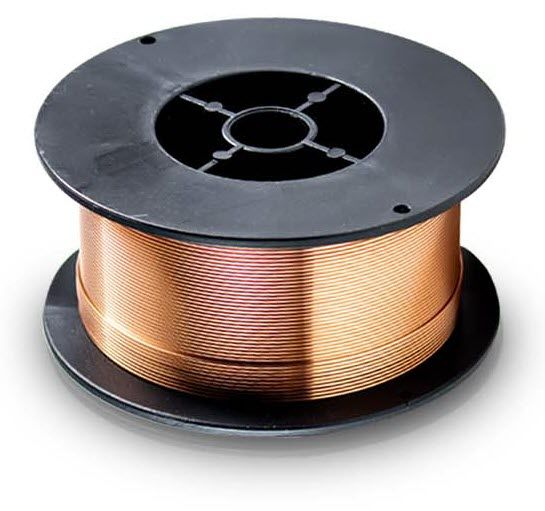
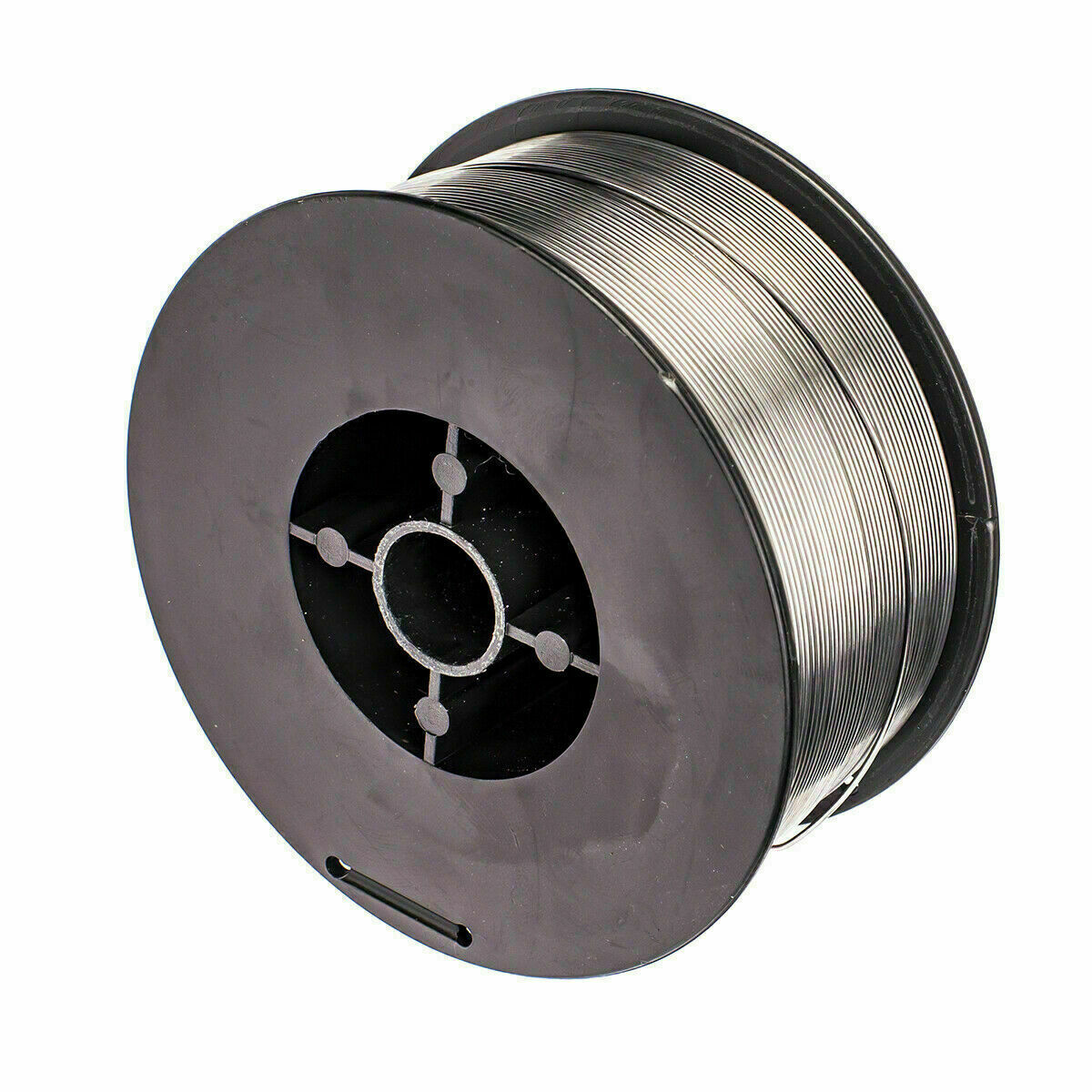
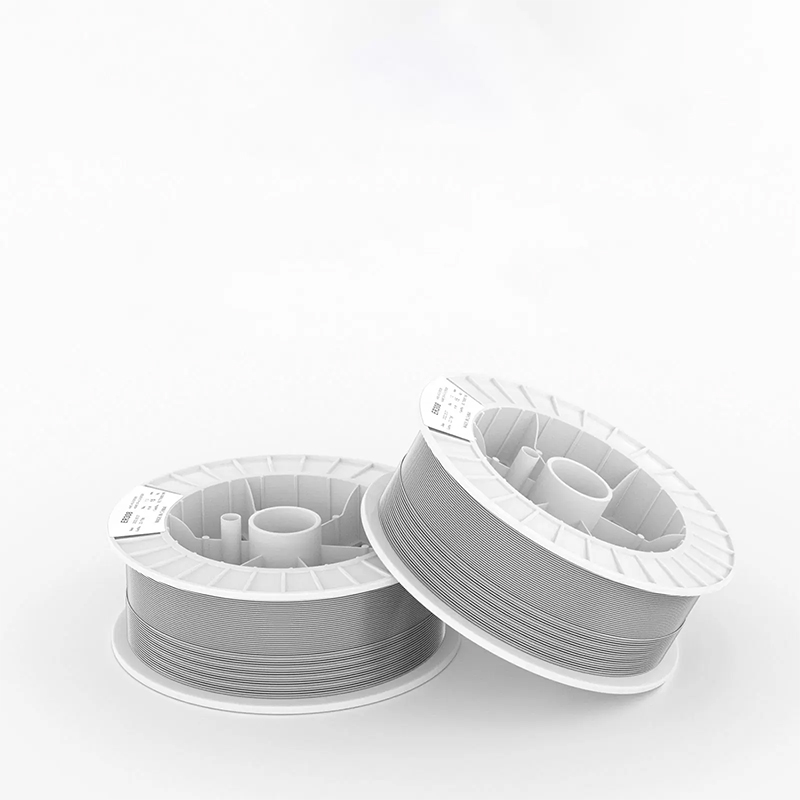
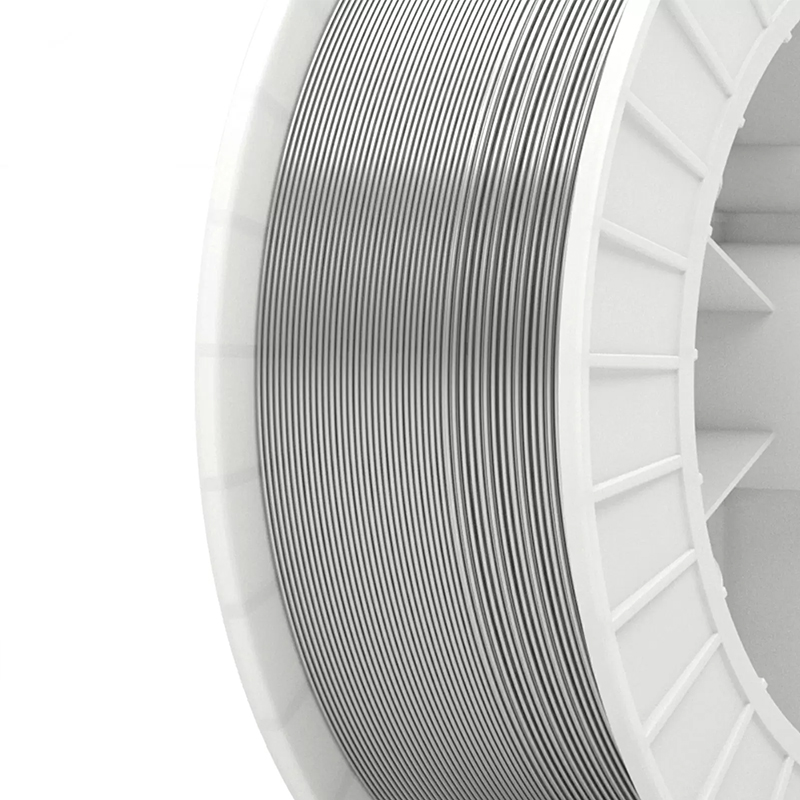
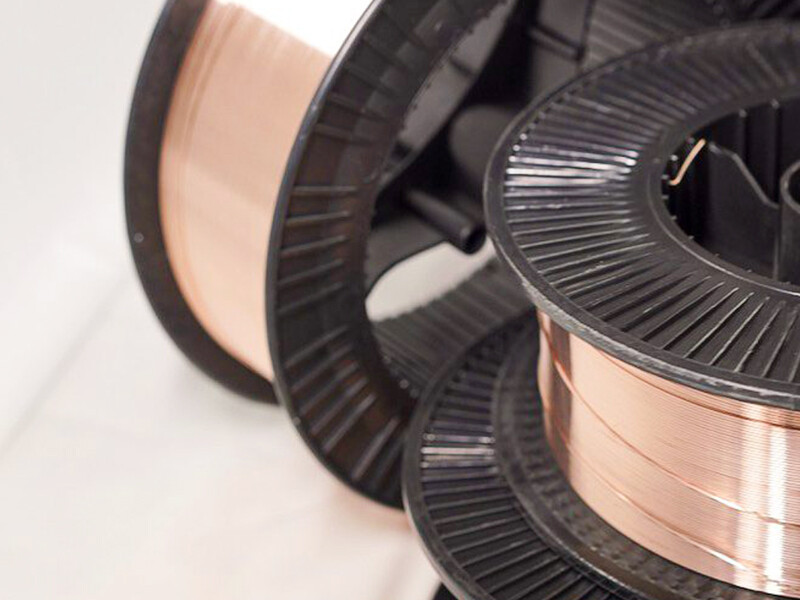
Welding wire is a metal wire used in welding to fill joints, conduct current, and form strong welds, with types like solid or flux-cored.
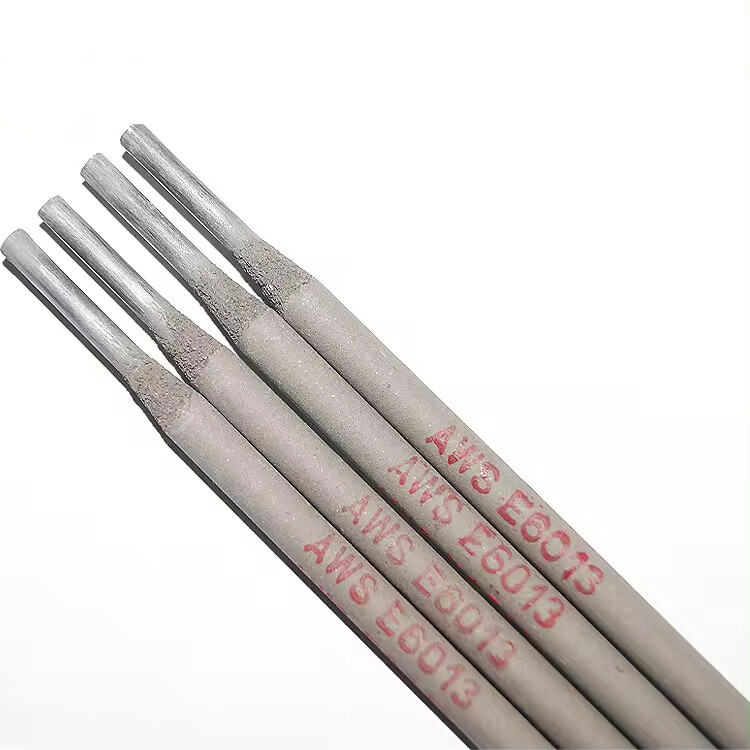
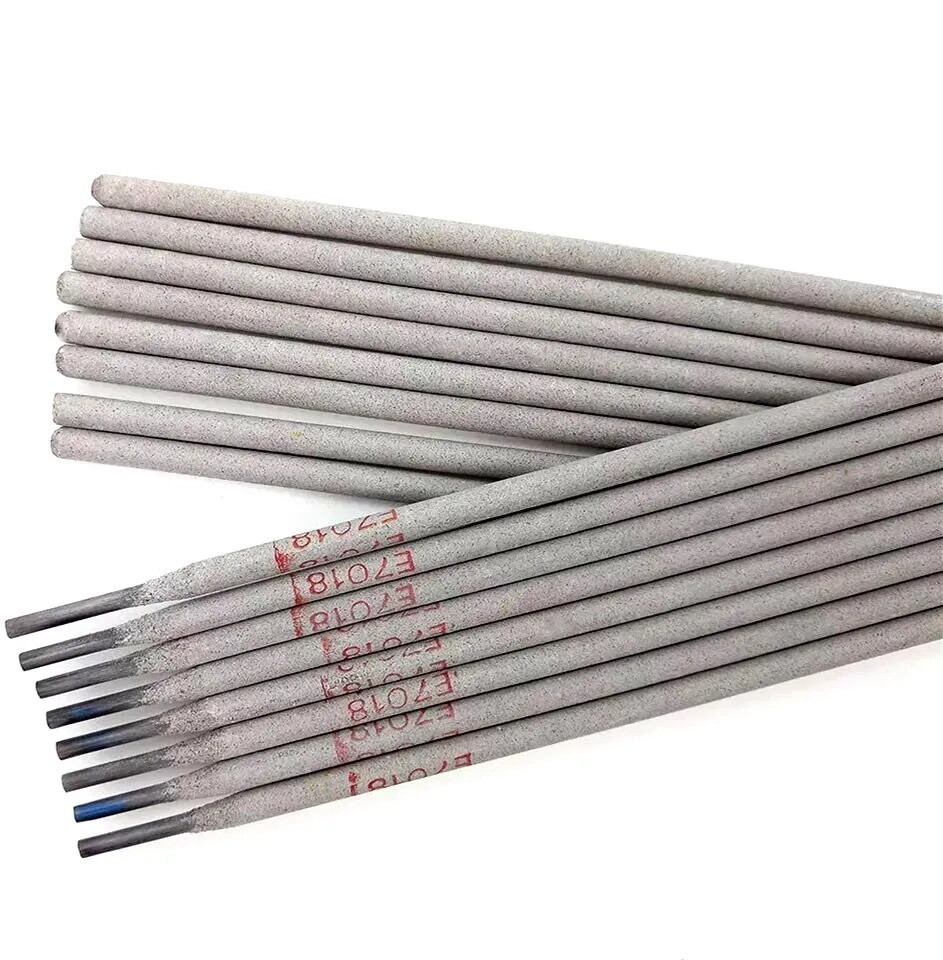
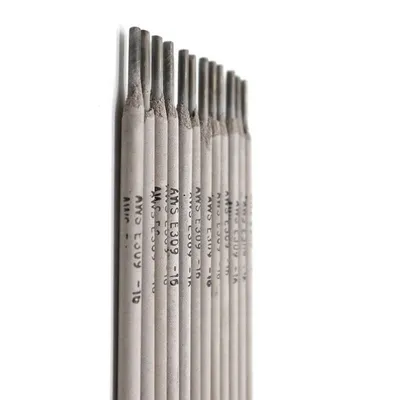
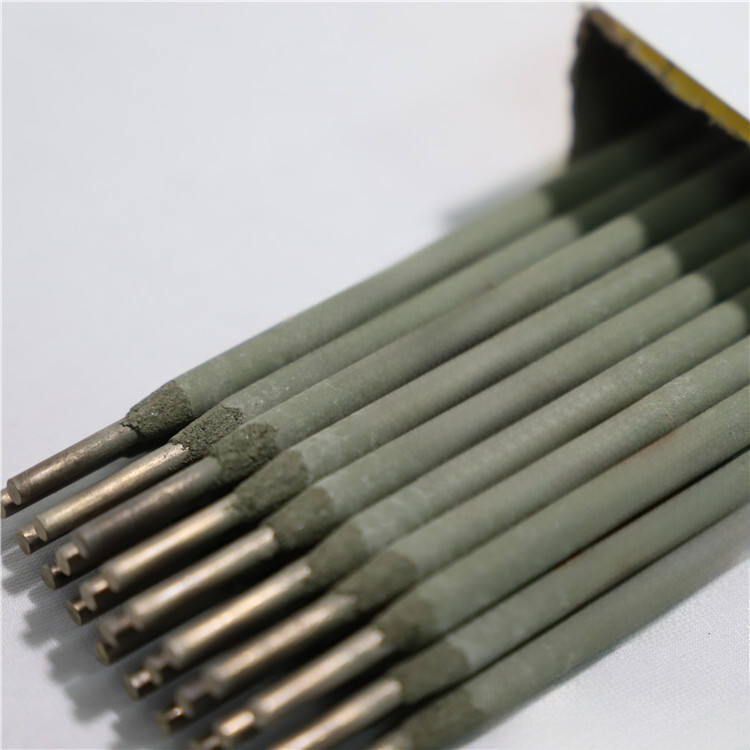
Welding rod is a consumable electrode for welding, providing filler metal and conducting current to form welds, often coated.

Bridge industry

Bridge industry

Shipping industry

Shipping industry

pressure vessels

pressure vessels

high-rise buildings

high-rise buildings

Industrial machinery

Industrial machinery
0
Years Of
Experience
ABOUT US
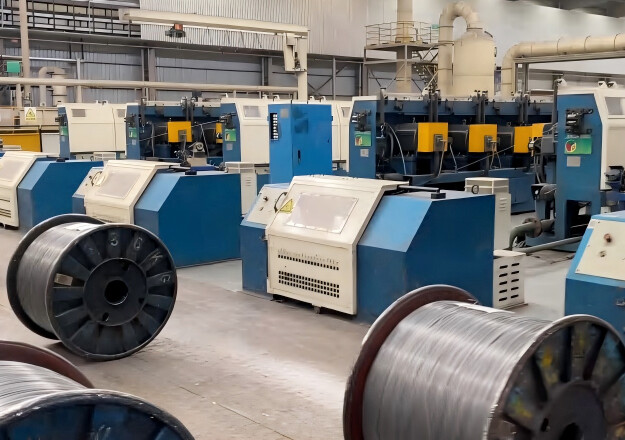
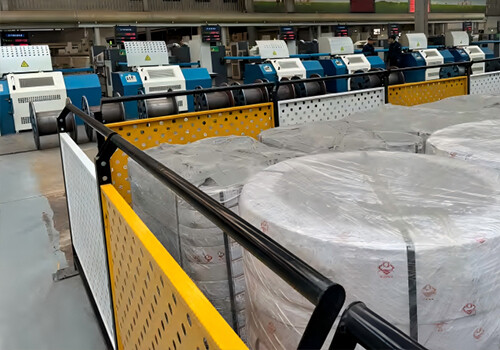
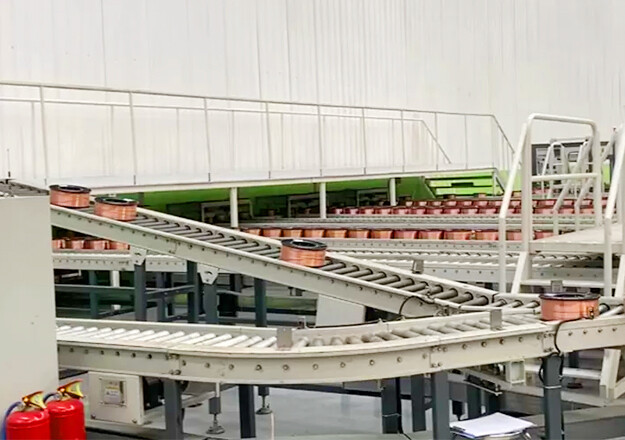
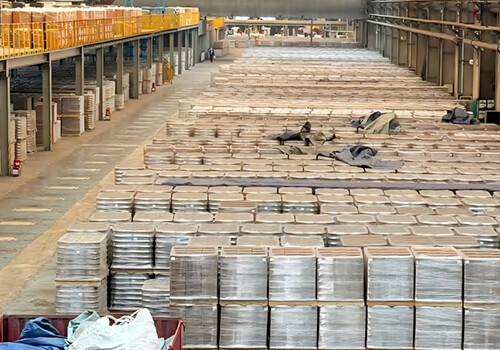
Sinometal International Corporation was established in 2009. Affiliated to Weifang Special Steel Group, it is a comprehensive enterprise specializing in high-end welding materials, integrating scientific research, production, and sales. Currently, the company boasts an annual production capacity of 300,000 tons. It adopts an efficient management model featuring integrated production, automated control, and digital management, while also embodying the principles of environmental protection, high efficiency, and energy conservation. Since the start of 2022, the company has invested nearly RMB 80 million. It has successively introduced internationally advanced production and automation equipment, including high-speed copper plating production lines and fully automatic layer winding robots, further enhancing its competitiveness in the industry. To date, the company has reached advanced industry levels in aspects such as productiorefficiency, product quality, and market feedback.
0
+
The country of service
0
+
Product Category
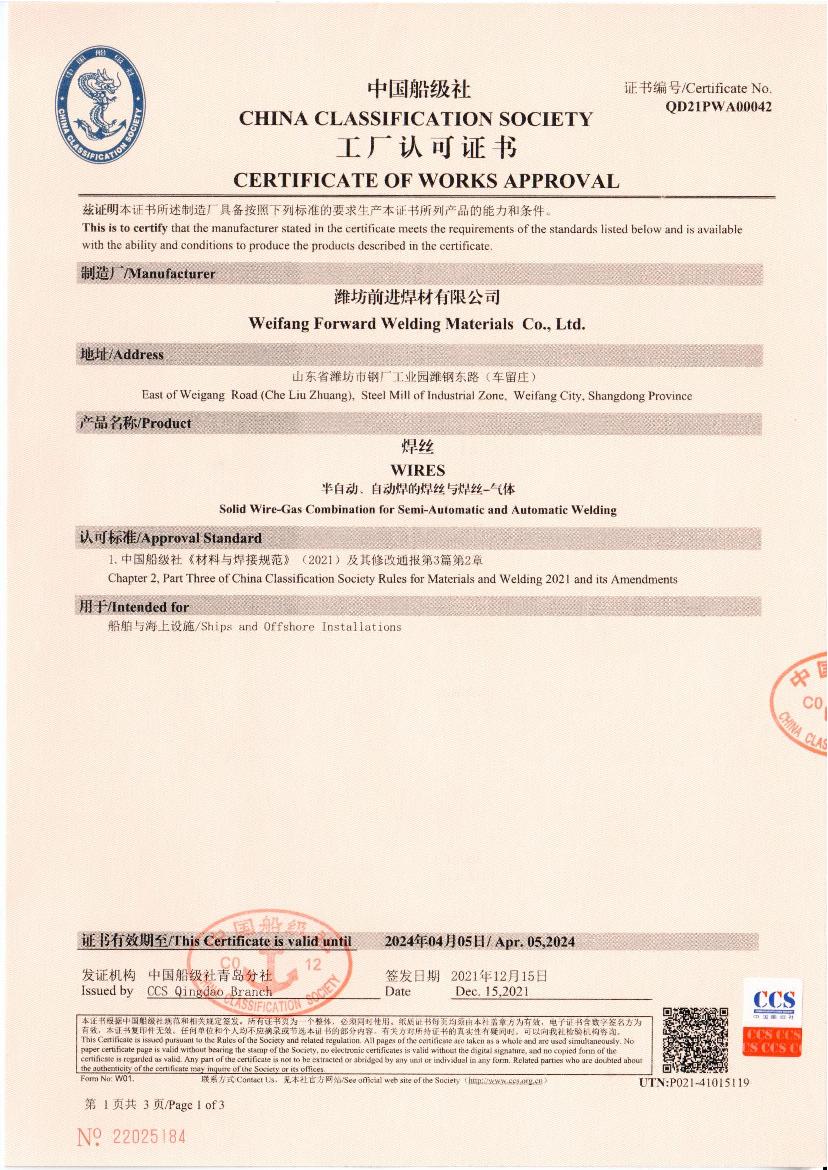
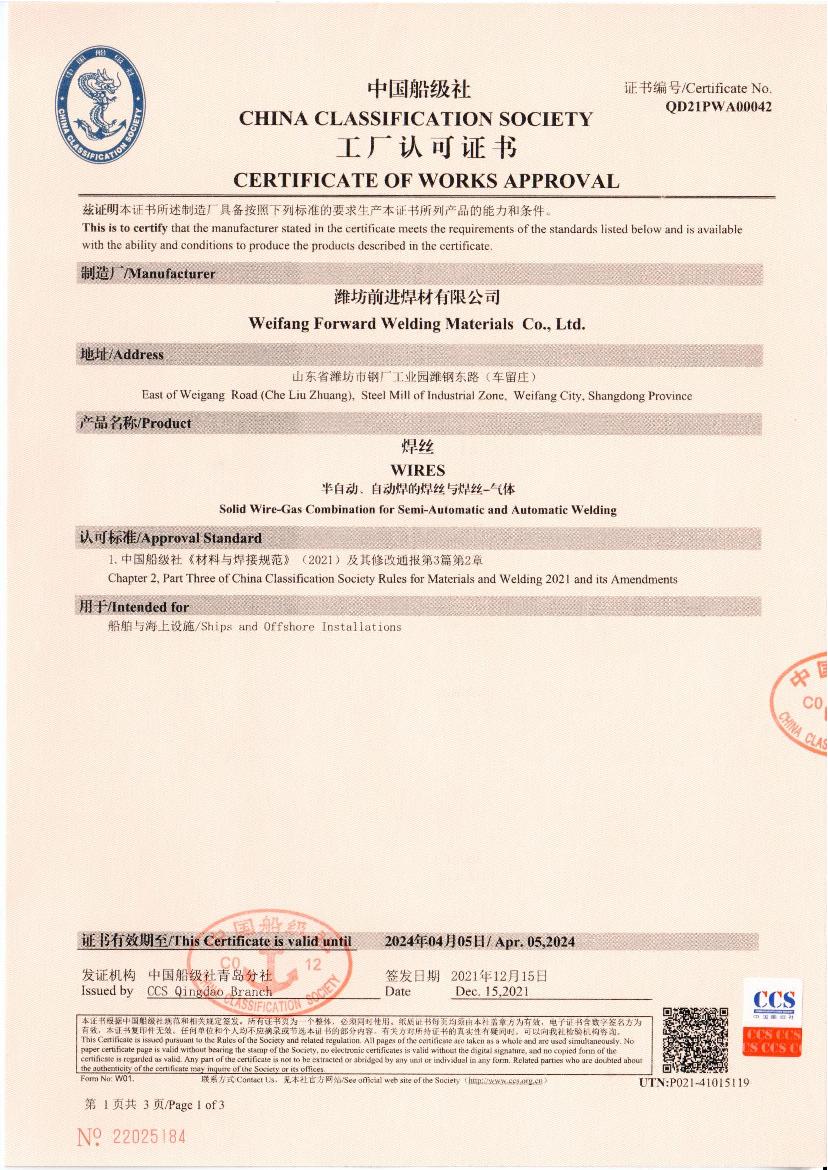
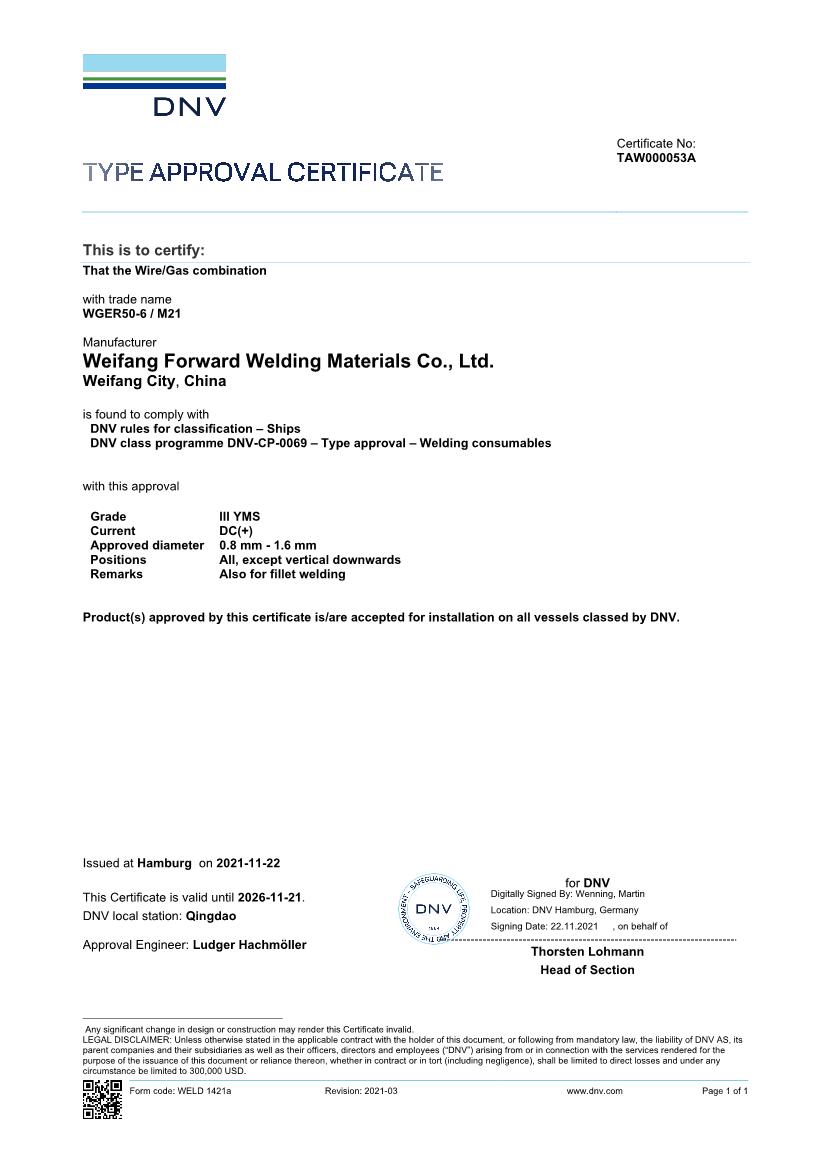
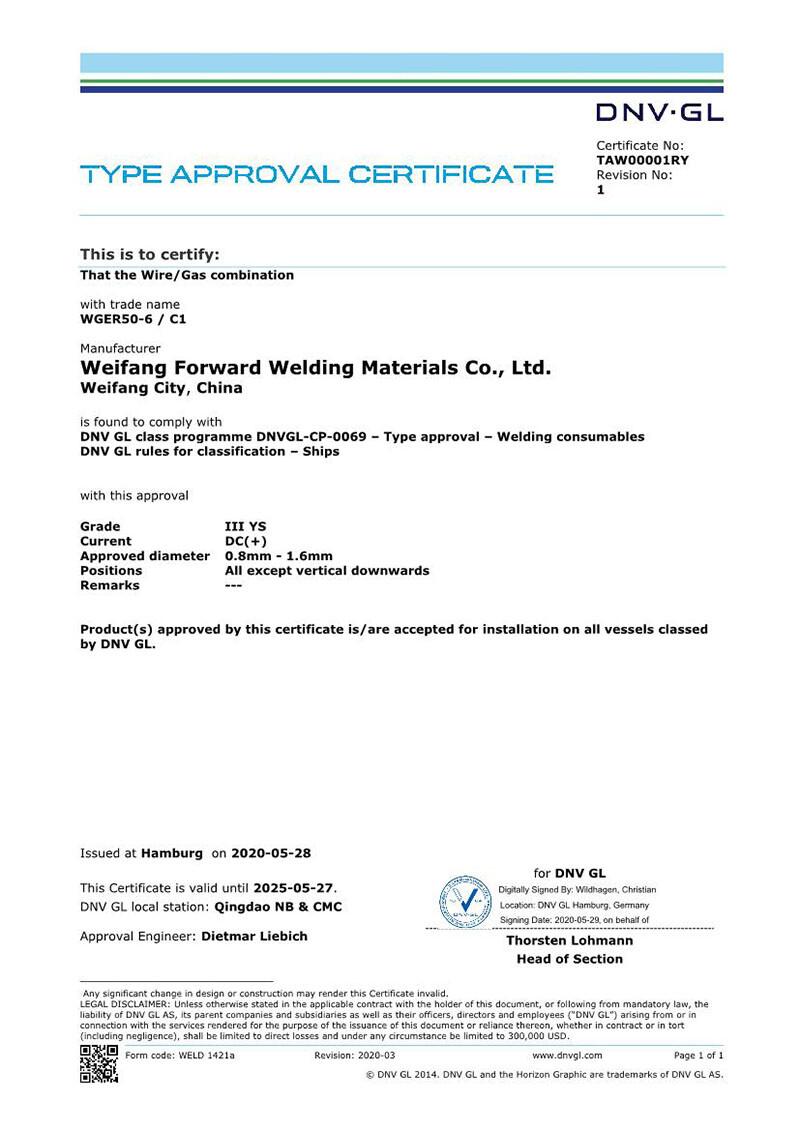
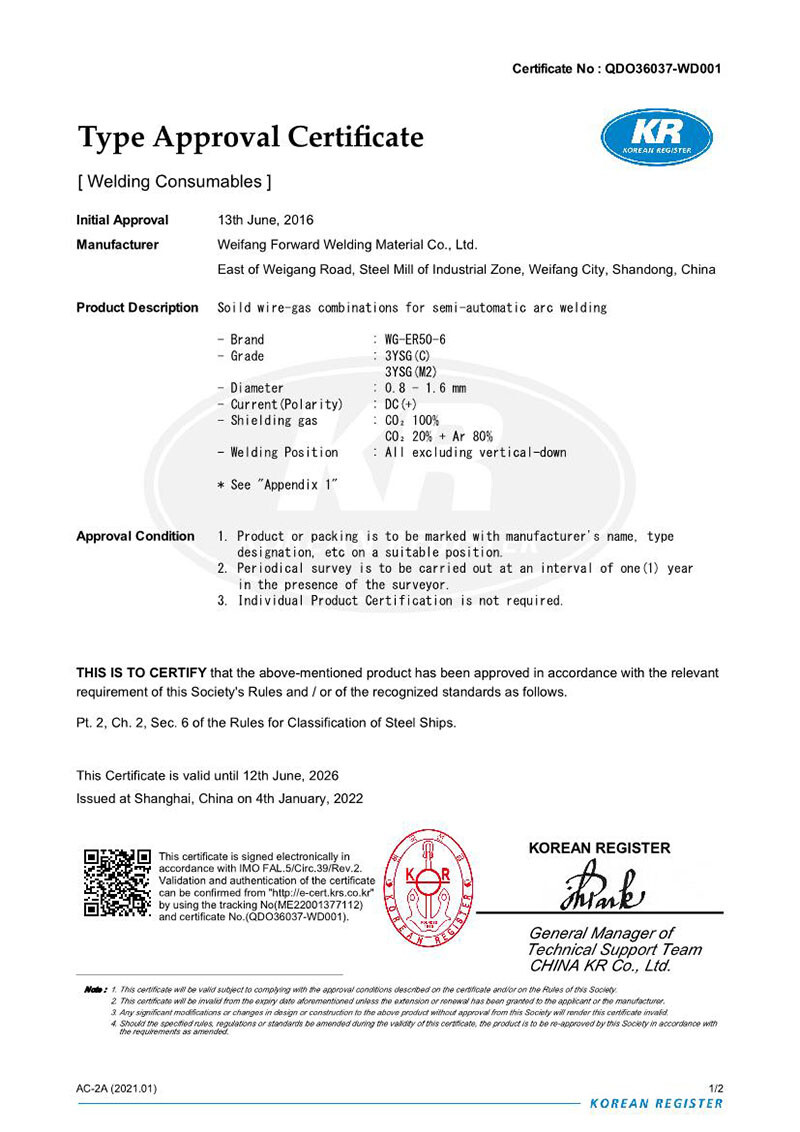
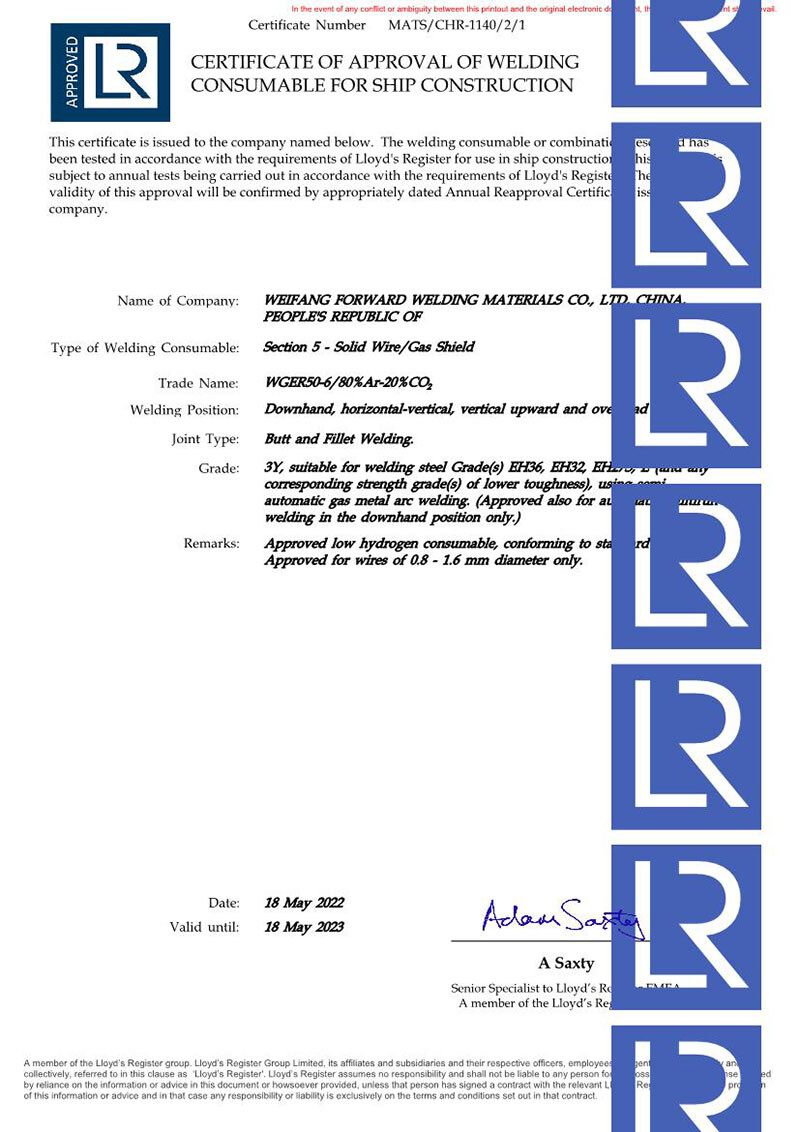
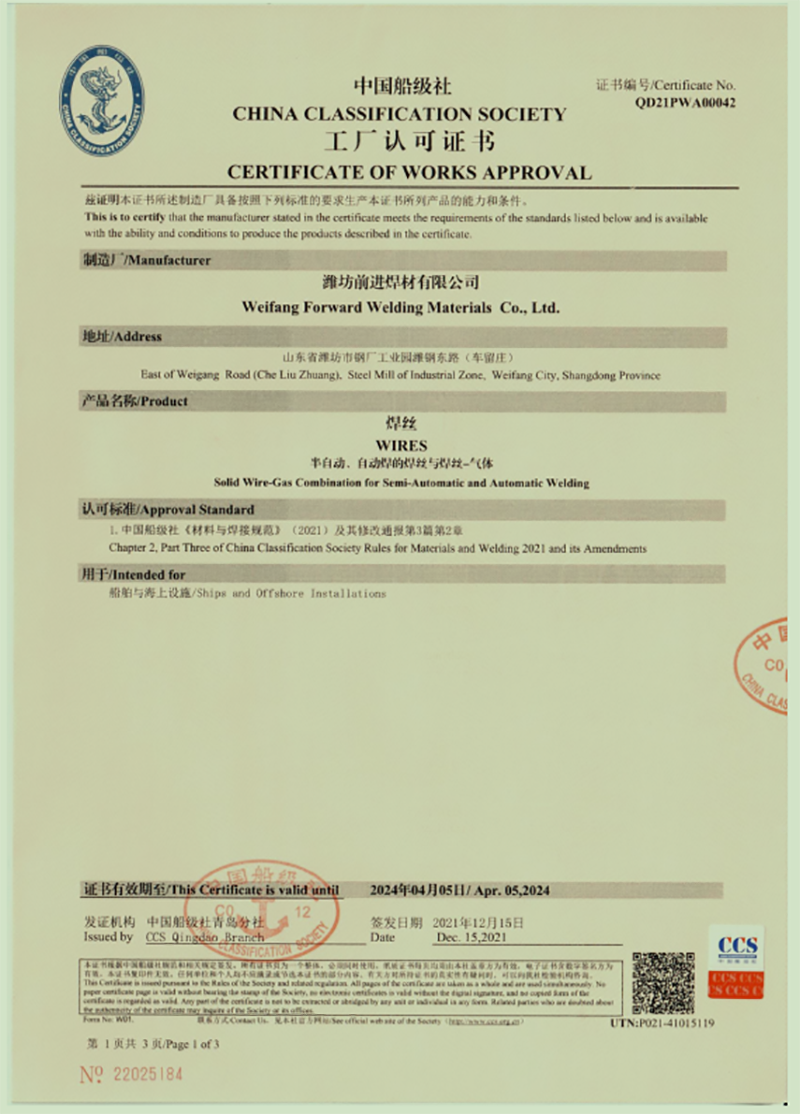
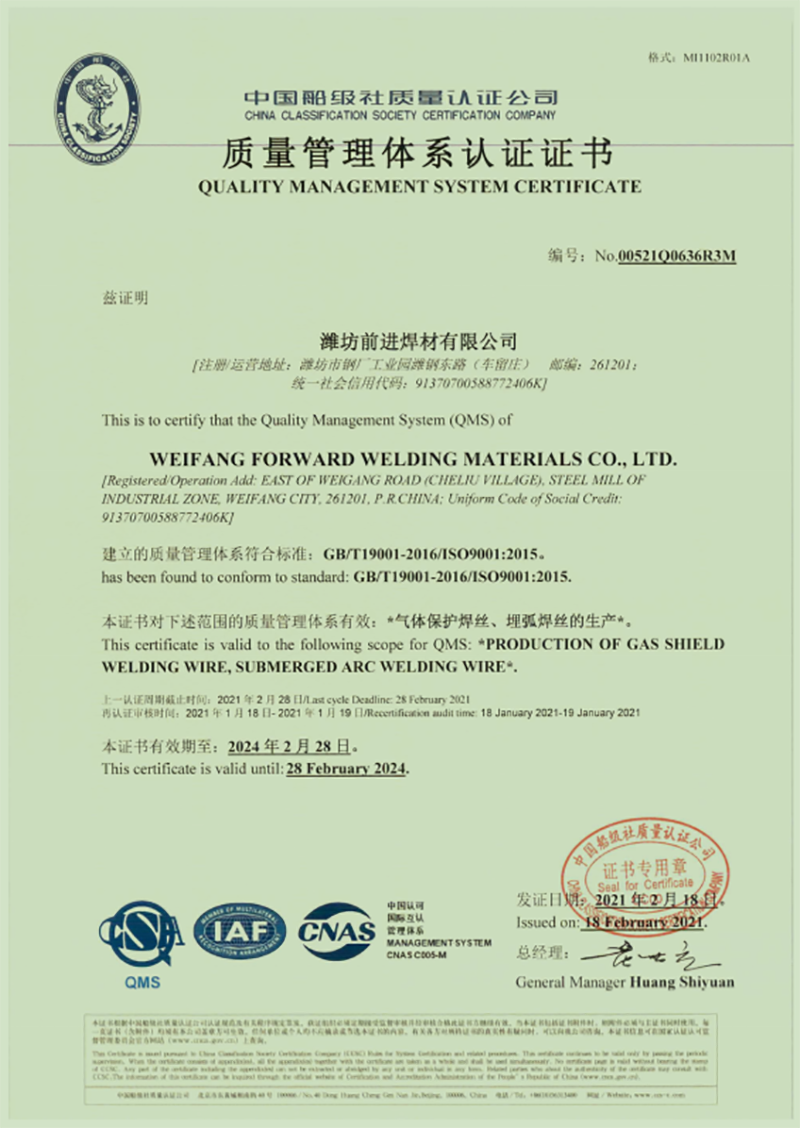
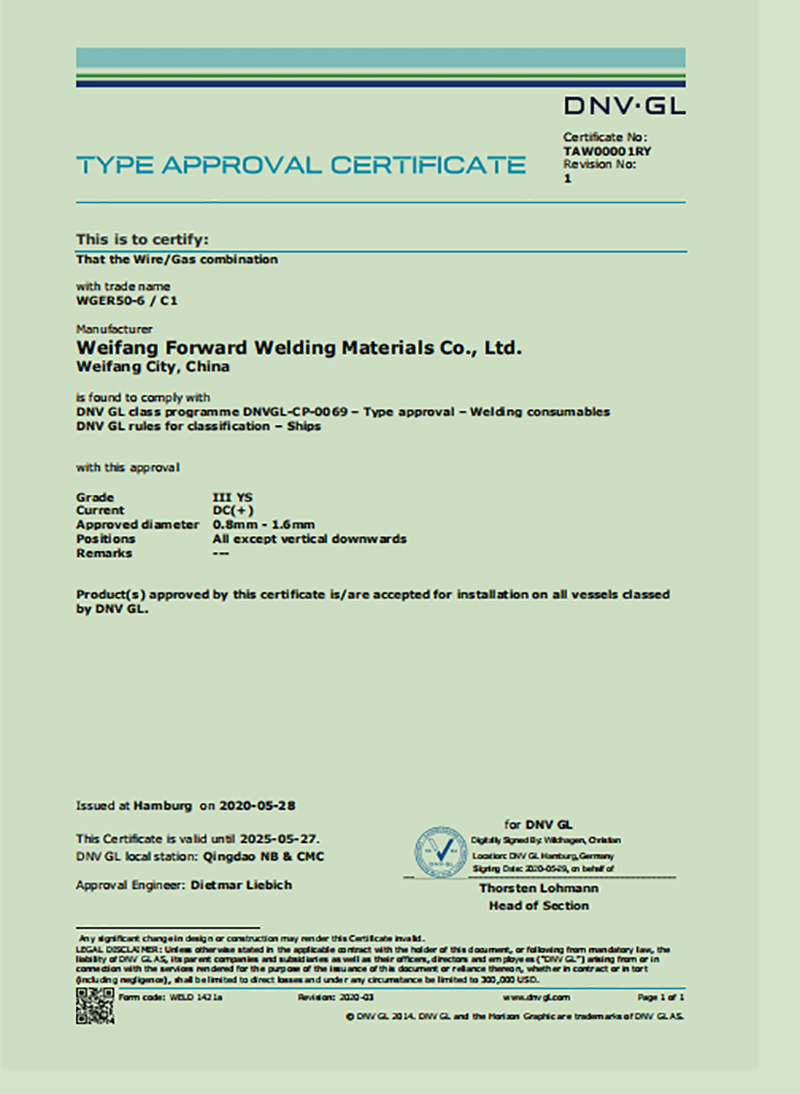
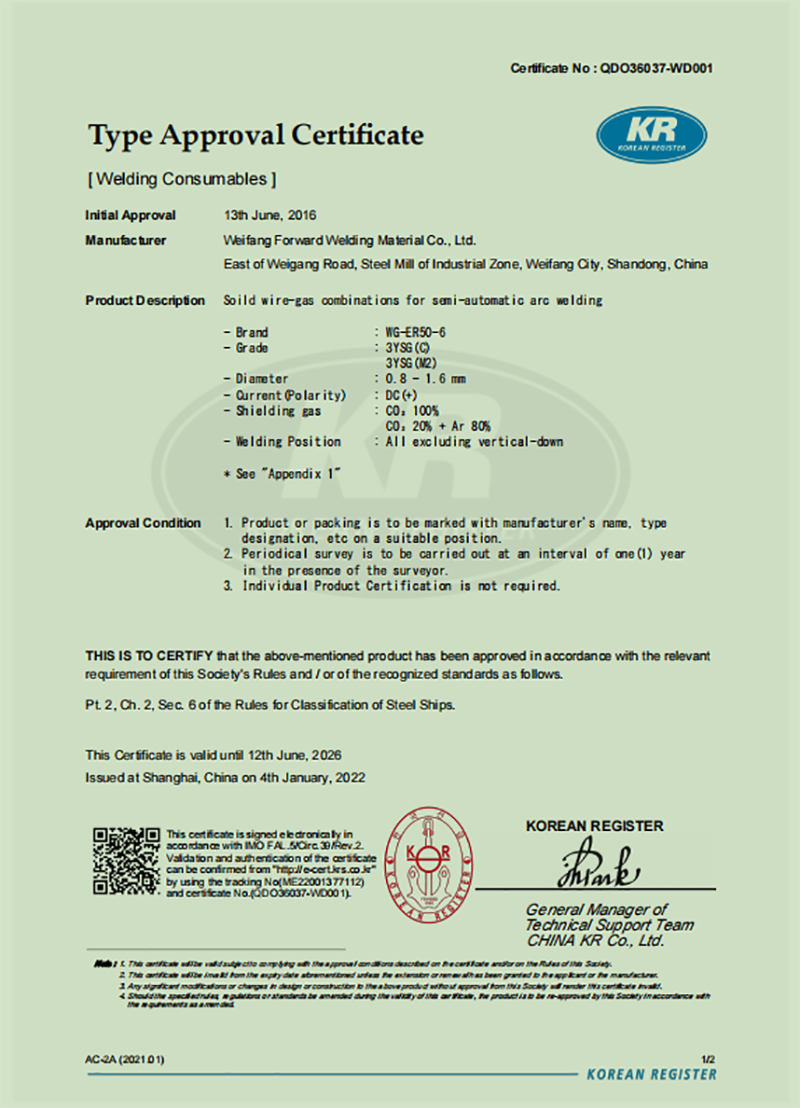
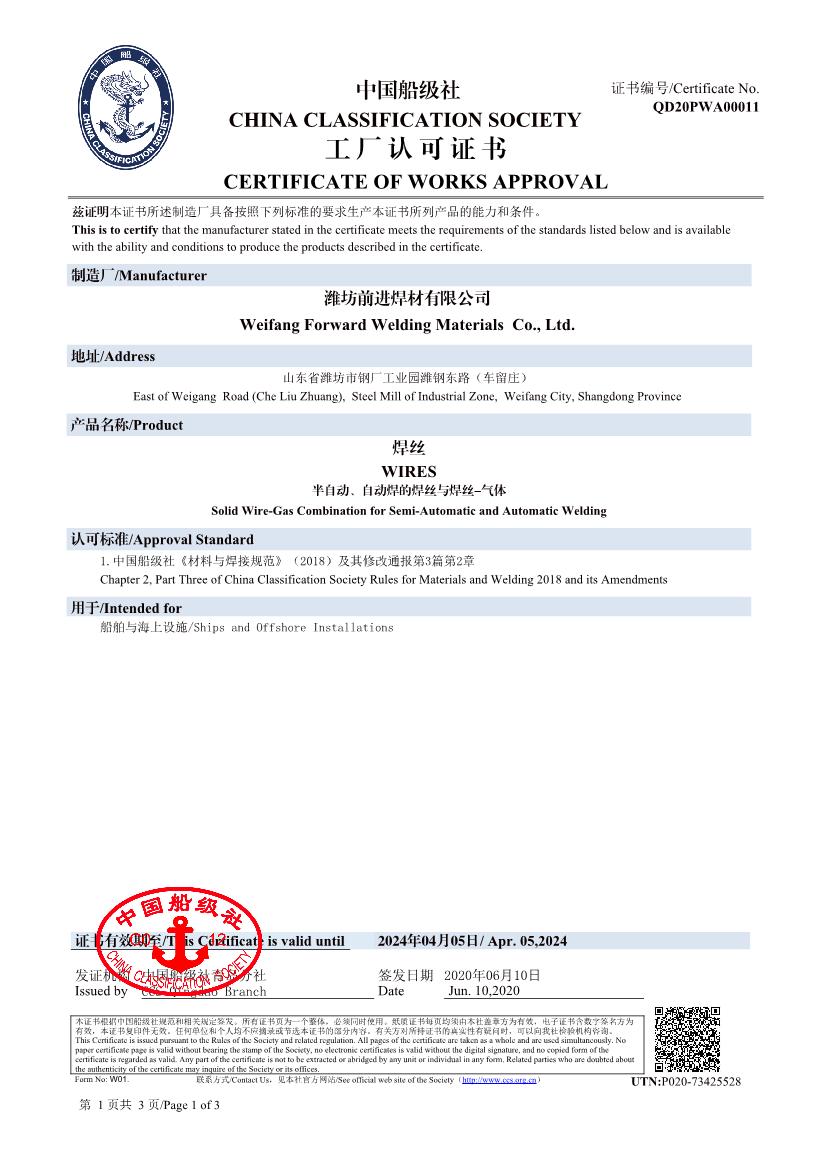
SERVICE
Industry Group
Development and improvement, has become a country International Welding rod Welding wire company.
Main Market
Has a large customer base from all over the country, and established a long-term cooperative relationship.
Supply Worldwide
After more than ten years of testing in the field of steel, it has been supplying domestic and foreign trading companies.
Steel Company
Products are widely used in electric power, coal, railway, national defense, construction, aviation and other keyengineering fields.
Strength Display
News
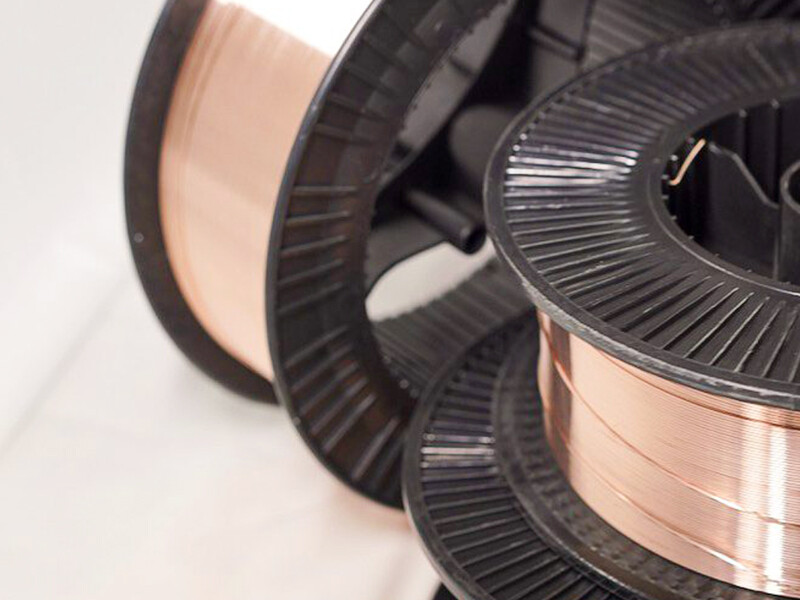
In metal welding processes, defects such as hot and cold cracks, and non-metallic slag inclusions are common and frequently encountered as typical welding quality issues. Their formation mechanisms are multifaceted and complex. These defects not only directly weaken the weld's tightness and mechanical properties, but also, due to stress concentration, become potential sources of brittle fracture during structural service, posing a significant threat to the load-bearing safety and fatigue life of the entire component. Below, we will share some methods to improve these issues.
I. Preventing Weld Cracks
(I) Hot Cracks
Controlling Welding Current and Speed: Excessive current and slow welding speeds can overheat the weld metal, increasing the likelihood of hot cracks. For example, when welding thin plates, using high current can easily cause cracks due to shrinkage stress during the rapid cooling process. Generally, the appropriate current and welding speed should be selected based on the plate thickness and material. For thin plates, the current can be controlled between 50 and 80A, and the welding speed can be maintained between 3 and 5 mm/s.
Adjusting the Welding Sequence: A proper welding sequence can reduce welding stress. For complex structures, adopt a symmetrical welding sequence to partially offset the shrinkage stresses of the welds. For example, when welding H-beams, weld the flange butt weld first, followed by the fillet welds between the web and flange. The fillet welds on both sides should be welded simultaneously and symmetrically.
Select low-impurity welding materials: Impurities such as sulfur and phosphorus in welding materials are significant contributors to hot cracking. Choose reliable, low-impurity welding rods and wires. For example, basic welding rods, compared to acidic welding rods, have better sulfur and phosphorus control and can effectively reduce the tendency to hot cracking.
(II) Cold Cracking
Preheating and Postheating: For some steels prone to cold cracking, such as low-alloy high-strength steel, preheating before welding can reduce the cooling rate of the weld joint and minimize the formation of hardened microstructures. The preheating temperature is determined by the steel type and plate thickness; generally, the preheating temperature for low-alloy high-strength steel is between 100 and 200°C. Prompt postheating after welding can promote hydrogen release and prevent hydrogen-induced cracking. Post-heating temperatures are typically between 200-350°C, with a holding time calculated based on plate thickness, allowing one hour for every 25mm of plate thickness.
Control hydrogen content: Hydrogen is a key factor in cold cracking. Use low-hydrogen welding consumables and dry them strictly according to specifications. For example, alkaline electrodes should be dried at 350-400°C and held for one to two hours. Also, clean the weld surface of impurities such as oil and rust, as these can generate hydrogen during welding.
Improve the stress state of the weld joint: Avoid sharp notches at the weld root and ensure a smooth transition. For example, when beveling, maintain an appropriate bevel angle, typically 60-70° for a V-groove. This reduces stress concentration and minimizes the likelihood of cold cracking.
II. Preventing Welding Slag Inclusions
(I) Correctly Selecting Welding Parameters
Matching Current and Voltage: Too low a current prevents slag from bubbling; too high a voltage lengthens the arc, weakening the shielding effect and allowing impurities from the air to enter the weld and form slag inclusions. For typical carbon steel welding, for a welding current of 120-150A, the welding voltage should be between 20-22V. This ensures good molten pool fluidity and smooth slag bubbling.
Moderate Welding Speed: Too fast a welding speed shortens the molten pool's dwell time, preventing the slag from bubbling and becoming encapsulated in the weld. Generally, welding speeds of 4-6 mm/s are recommended to ensure ample time for the slag to separate from the liquid metal.
(II) Improving Weld Cleaning
Removing Surface Impurities: Impurities such as rust, oil, and scale on the weld surface can enter the weld pool during welding and form slag inclusions. Before welding, use sandpaper, a wire brush, or other tools to clean the weldment to reveal the metallic luster. For welds that are heavily oiled, clean them with an organic solvent first.
Cleaning the Groove: Impurities within the groove can also cause slag inclusions. After beveling, carefully clean the edges and interior of the groove to ensure no impurities remain. For multi-layer, multi-pass welds, remove slag between each layer. This can be done with tools such as a slag hammer or wire brush.
(III) Correct Operating Techniques
Wire Feeding Method: Using an appropriate wire feeding method, such as a zigzag or crescent-shaped feed, will evenly stir the molten pool and promote slag buoyancy. During wire feed, maintain a moderate swing amplitude to ensure sufficient melting of the base metal on both sides and prevent slag from flowing ahead of the weld pool.
Pay Attention to the Rod Angle: The angle between the welding rod and the workpiece should be maintained within the appropriate range, generally between 60 and 80 degrees. An inappropriate angle will affect the arc's ability to protect the molten pool and the buoyancy of the slag. For example, if the rod angle is too small, the arc blow force will not effectively push the slag backward, which can easily cause slag inclusions. In short, to avoid cracks and slag inclusions during welding, it's important to carefully control welding parameters, maintain weldment cleanliness, and master correct welding techniques. This ensures welding quality and creates a high-quality welded structure. I hope these experiences will be helpful in your actual welding work.